Structural & Musculoskeletal Pain
Plantar Fasciitis: Why Is It Such a Pain in the Foot?
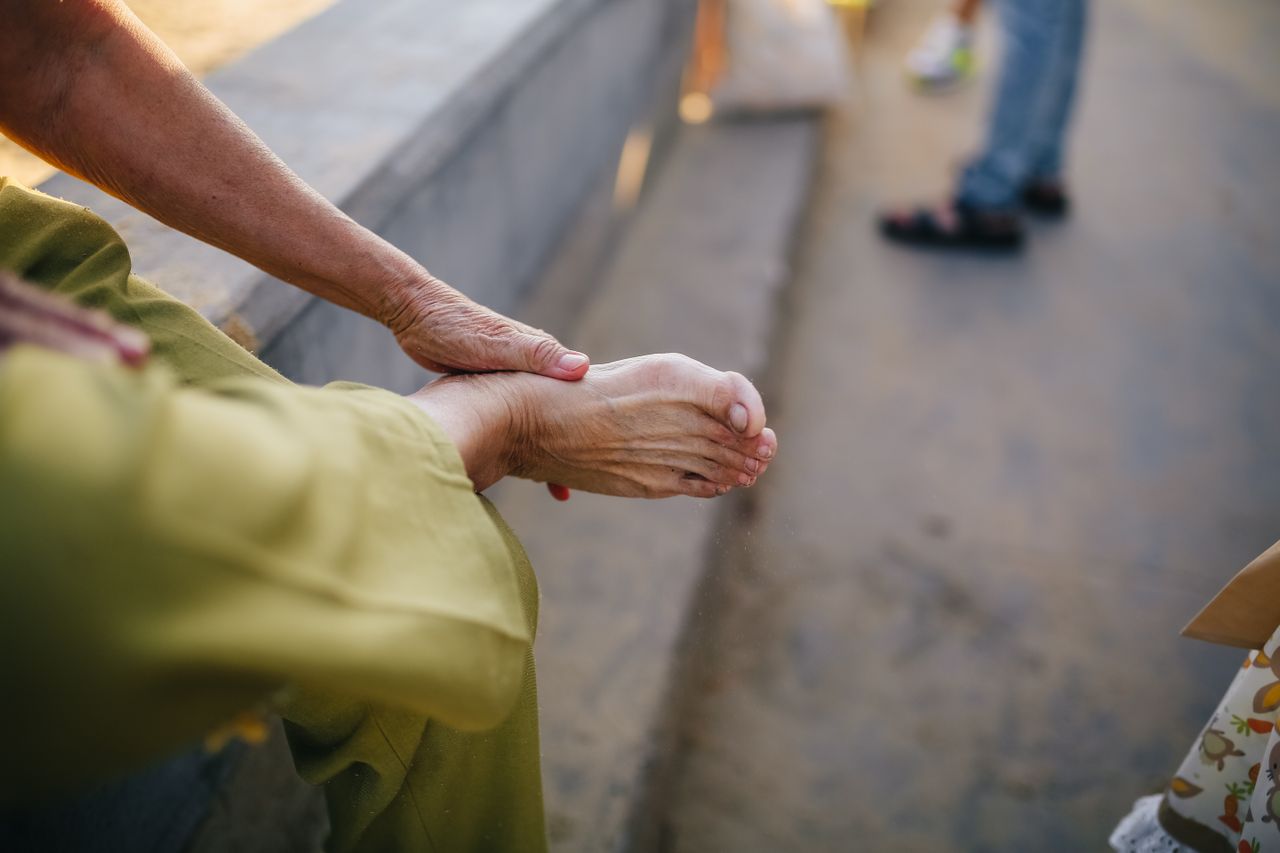
Many people struggle with foot pain in the morning. I have dealt with this myself, and it is not unlike stepping on something sharp. After a bit, the pain typically subsides and you move on with your day. If you have experienced this, you know what plantar fasciitis feels like. Not everyone is the same and there is a range to this issue, but it is fairly common. It is also fairly frustrating.
It can hang around for months or even years. The good news is that most people improve without major interventions like surgery. But you need to know where to look. The root of this issue can be a bit complex. Your feet are your foundation — they carry everything above them — so it is important to look at the whole body, not just the feet.
A very common issue I notice is tibialis posterior weakness or inhibition. Though it attaches in the foot, it stretches up and attaches to the backside of your tibia and fibula. I have seen this even in myself.
What the Plantar Fascia Actually Does
The plantar fascia is a thick band of connective tissue that runs from the bottom of your heel bone to the base of your toes. It is similar to the string on a bow. Every time your heel lifts and your big toe bends back, the band tightens and the arch rises, which provides a strong lever for you to push off of. This is known as the windlass mechanism, and it happens thousands of times per day.
It’s Not Really an “-itis”
The name means inflammation, but researchers looking under a microscope do not actually find the tell-tale signs of it. Some use different terminology now. For ease, we will keep with the common phrasing.
Why does this matter? Because we are not looking to decrease inflammation. It is a mechanical issue, whether from overload, injury, or simply having fallen behind on repair. Something is keeping it from healing or moving properly.
Why It Hangs Around
One study pointed to three things:
- A stiff ankle — loss of dorsiflexion, or bending your foot upward.
- Increased body weight.
- Spending a lot of time on your feet.
However, I have noticed several more:
- Weak tibialis posterior — by far the most common, which I already mentioned.
- Weak calf muscles, especially the soleus.
- Being under a heavy stress load. So often these issues are adrenal related.
- Improper footwear. I am a big barefoot advocate and this is a big reason why. Modern footwear does the opposite of everything needed here.
What Actually Helps
Here is what the current research says:
- Strength training. I love strength training and there are so many benefits from it. This is one of them. Heavy heel raises can improve plantar fasciitis. This is a longer process though, and most people are looking for quicker results.
- Calf and ankle mobility. Start with walking barefoot. Be careful and work to tolerance — many people cannot handle walking barefoot right away. But this increases mobility in the calves and feet. Start by walking in your home barefoot if you are not already. Then change the terrain. Get in your yard on the grass. Progress to more difficult terrain within reason, such as inclines, declines and even gravel. Listen to your body.
- Transition to barefoot or minimalist shoes. The stiff, narrow, arch-support shoes need to go. They often have high heels too, and I define a high heel as anything above zero drop. Walking in barefoot shoes is an exercise in itself, and it can help with walking on tougher terrain so you do not injure yourself. Over time this will strengthen your feet and can be a tremendous help.
- Myofascial work. This is what I focus on in the office. Testing the weak muscles and working out how this came about. Typically there are a lot of myofascial adhesions directly impacting this. They could be anywhere, since your feet are your foundation, but I find a lot in the knee or calf area. This can be a night and day difference. I explain more below.
- Be patient. It can take some time for things to fully settle down.
What I Look At in a Visit
As I have been saying, I do not just look at the bottom of the foot:
- I observe how someone is walking and standing, looking for fallen arches or pain with movement.
- Depending on the complaint, I may have them do different movements to reproduce the issue.
- I then check the muscles of the ankle and knee, or any other muscle that seems related.
From there, I provide specific hands-on work on the calf, ankle, foot and surrounding fascia. I test for muscle weakness and then test again after each round of myofascial work. My hope is that you feel the difference before leaving my office, even if it will still take some time to fully recover.
What You Can Do Now
- Try walking barefoot if it is comfortable, then progress to something harder. Rest frequently. Walk ten steps and see how it feels. As it gets easier, progress accordingly. It may be uncomfortable, but it should not hurt. Have a look at The Barefoot Challenge for more on this.
- Transition to barefoot shoes. It may take time for your feet to adapt. You may want to keep your old shoes nearby and swap back and forth until you are used to them. Start with 30 minutes to an hour and work up from there.
When to Get It Checked Right Away
- Numbness, tingling or burning sensations
- Pain at night or at rest that does not go away
- Heel pain after a fall or jump, or when both sides of the heel or foot are squeezed
- Swelling, redness or warmth
Conclusion
Plantar fasciitis is a common and stubborn complaint, and it responds well to the right approach. A holistic approach checks not just your foot, but the entire chain above it. If your foot has been bothering you for more than a few weeks, I would be happy to take a look. You can book a Chiropractic New Patient visit online, or call the office.
— Dr. Gabe Ariciu, DC · Chiropractic Physician · Springfield, MO
References
- Lemont H, Ammirati KM, Usen N. Plantar fasciitis: a degenerative process (fasciosis) without inflammation. J Am Podiatr Med Assoc. 2003;93(3):234–237. PubMed
- Riddle DL, Pulisic M, Pidcoe P, Johnson RE. Risk factors for plantar fasciitis: a matched case-control study. J Bone Joint Surg Am. 2003;85(5):872–877. PubMed
- Rathleff MS, Mølgaard CM, Fredberg U, et al. High-load strength training improves outcome in patients with plantar fasciitis: a randomized controlled trial with 12-month follow-up. Scand J Med Sci Sports. 2015;25(3):e292–e300. PubMed
- DiGiovanni BF, Nawoczenski DA, Lintal ME, et al. Tissue-specific plantar fascia-stretching exercise enhances outcomes in patients with chronic heel pain. J Bone Joint Surg Am. 2003;85(7):1270–1277. PubMed search
- Ridge ST, Olsen MT, Bruening DA, et al. Walking in minimalist shoes is effective for strengthening foot muscles. Med Sci Sports Exerc. 2019;51(1):104–113. PubMed