Structural & Musculoskeletal Pain
15 articles on Structural and Musculoskeletal Pain, from Dr. Gabe Ariciu, DC.
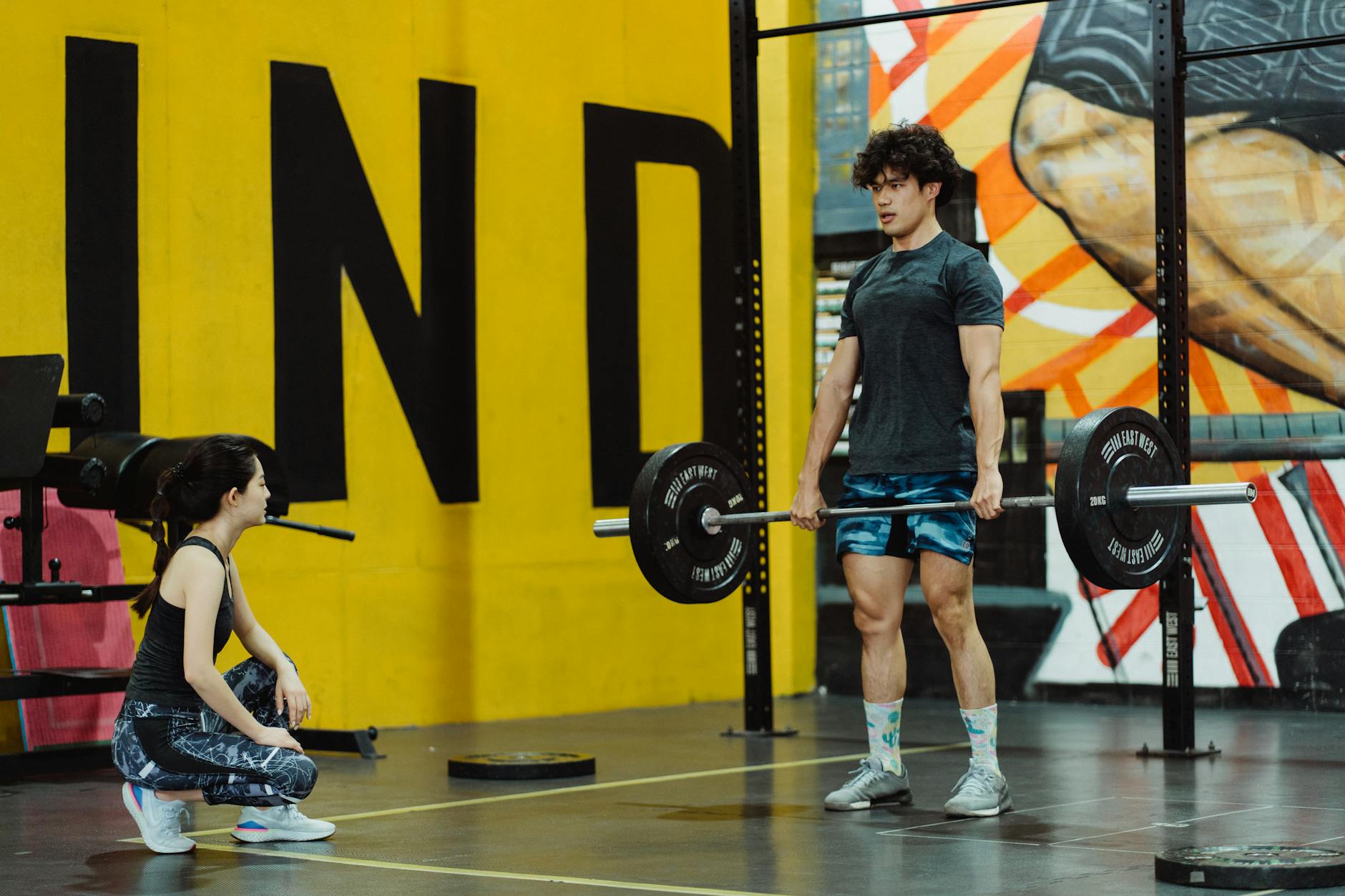
The Thoracolumbar Fascia: Why Low Back Pain Rarely Starts in the Low Back
Low back pain often reflects thoracolumbar fascia load failure, not spinal damage. Here’s how structure really breaks.
Read the article
Biotensegrity, Fascia, and Glide: Why Structure Fails Away from the Pain
Biotensegrity explains why structural pain emerges away from damage. Fascia and glide govern how load moves through the body.
Read the article
Fascia and Force Transmission: Why Structural Pain Persists When Muscles and Joints Look Normal
Fascia governs force transfer and load sharing. Learn how fascial dysfunction drives chronic structural pain even when imaging is normal.
Read the article
Sports Injuries and the Brain: Why Proprioception Matters More Than Flexibility
Sports injuries often stem from poor proprioception, not tight muscles. Learn how the brain drives movement, stability, and recurring pain.
Read the article
Treating Tennis and Golfer's Elbow
Tennis elbow and golfer's elbow are common issues. Understanding and treating the underlying issue can make all the difference.
Read the article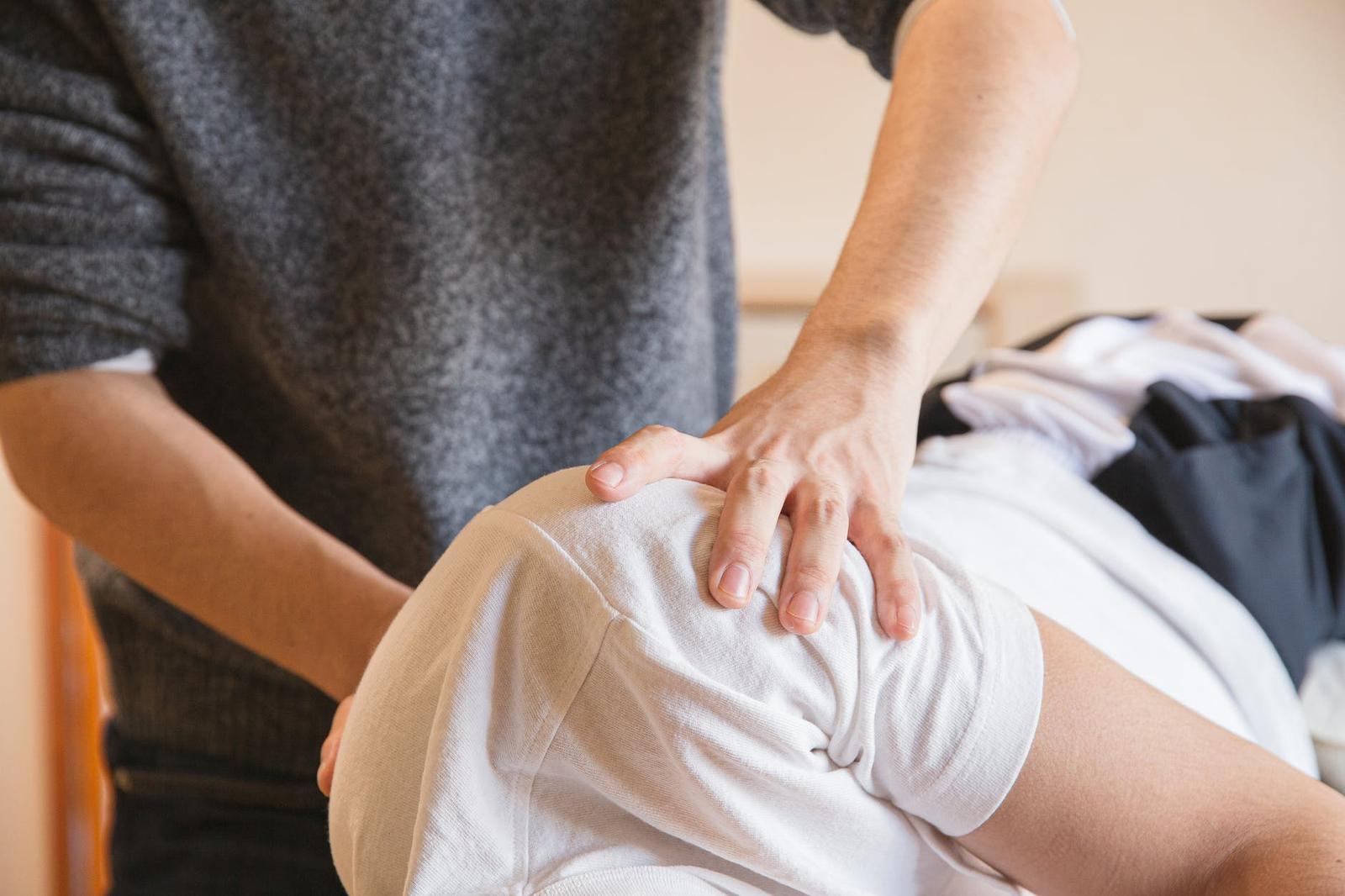
Treating Frozen Shoulder
Frozen shoulder is a painful with a long recovery, but it doesn't have to be. Recovery time can often be increased with myofascial therapy.
Read the article
Cervicogenic Headaches, Such a Pain in the Neck!
Cervicogenic headaches are among the most common issues we deal with. It is often not as simple as rubbing the neck. We need a broader view.
Read the article
The Relationship of Nightshades and Chronic Pain
Did you know chronic pain could be coming from a common food you eat? Check this out to find the link between nightshades and chronic pain.
Read the article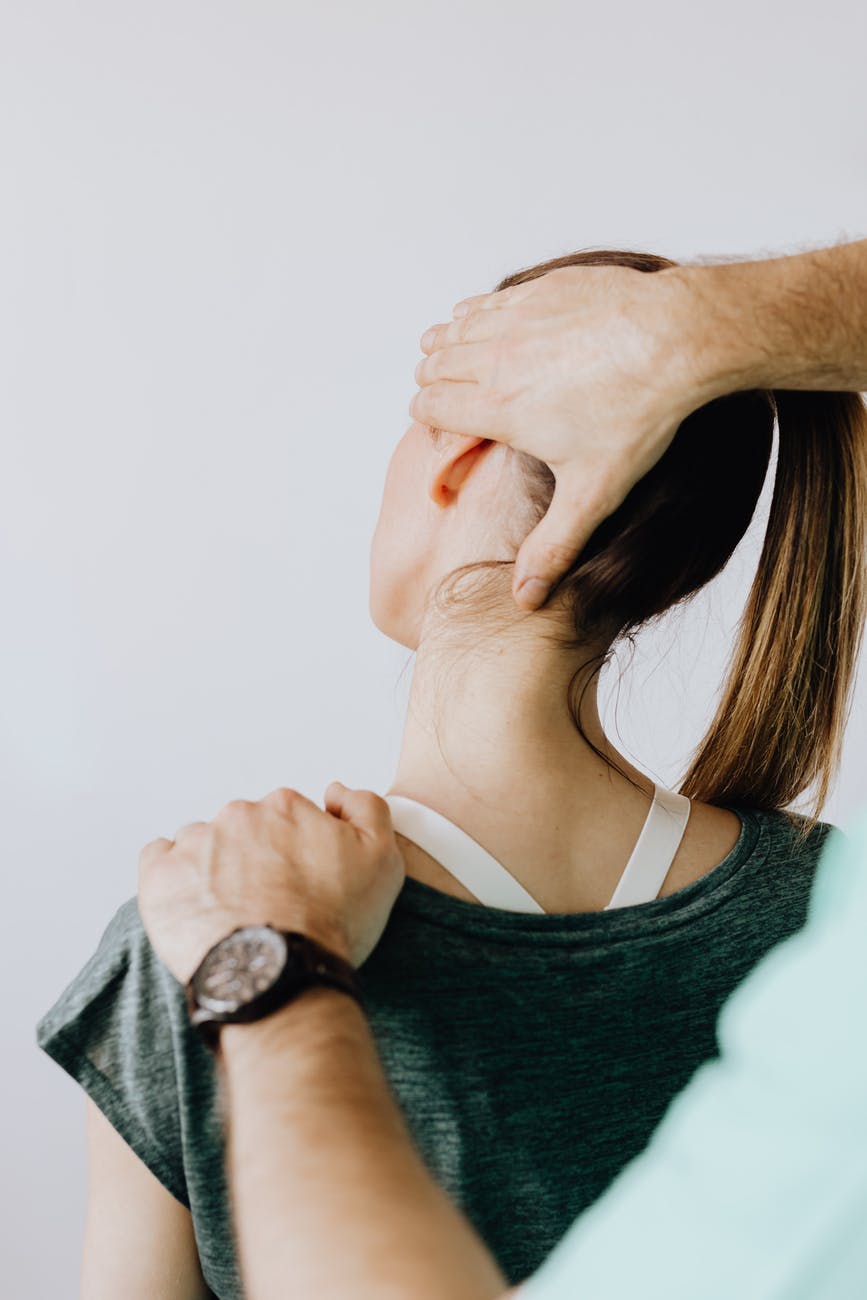
But Why Does It Have to Hurt?
Many chiropractic treatments can be painful. Learn why in this article, and contact Ozark Holistic Center today for an appointment.
Read the article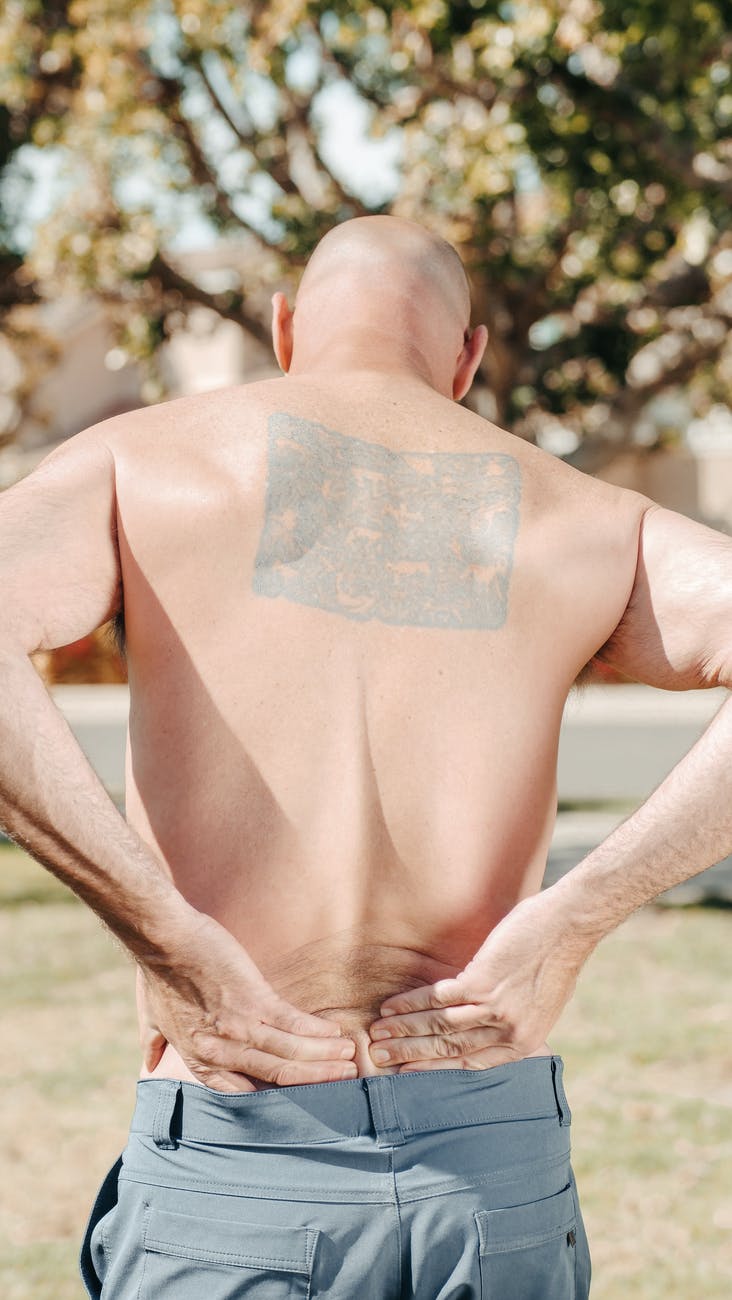
A Natural Approach to Low Back Pain
Low back pain is one of the most common issues in the world. What is going on and what can be done from a natural approach? Let's find out!
Read the article
Exercise and Recovery: Constrained Theory of Energy Expenditure
Exercise making you tired? Issues recovering? New studies on total energy expenditure are shedding light on how humans recover and adapt.
Read the article
Elbow Pain: Is it Tennis or Golfer's Elbow or Does it Even Matter?
Elbow pain. What is it? What causes it? What can be done? Golfer's elbow and tennis elbow are quite common sports injuries.
Read the article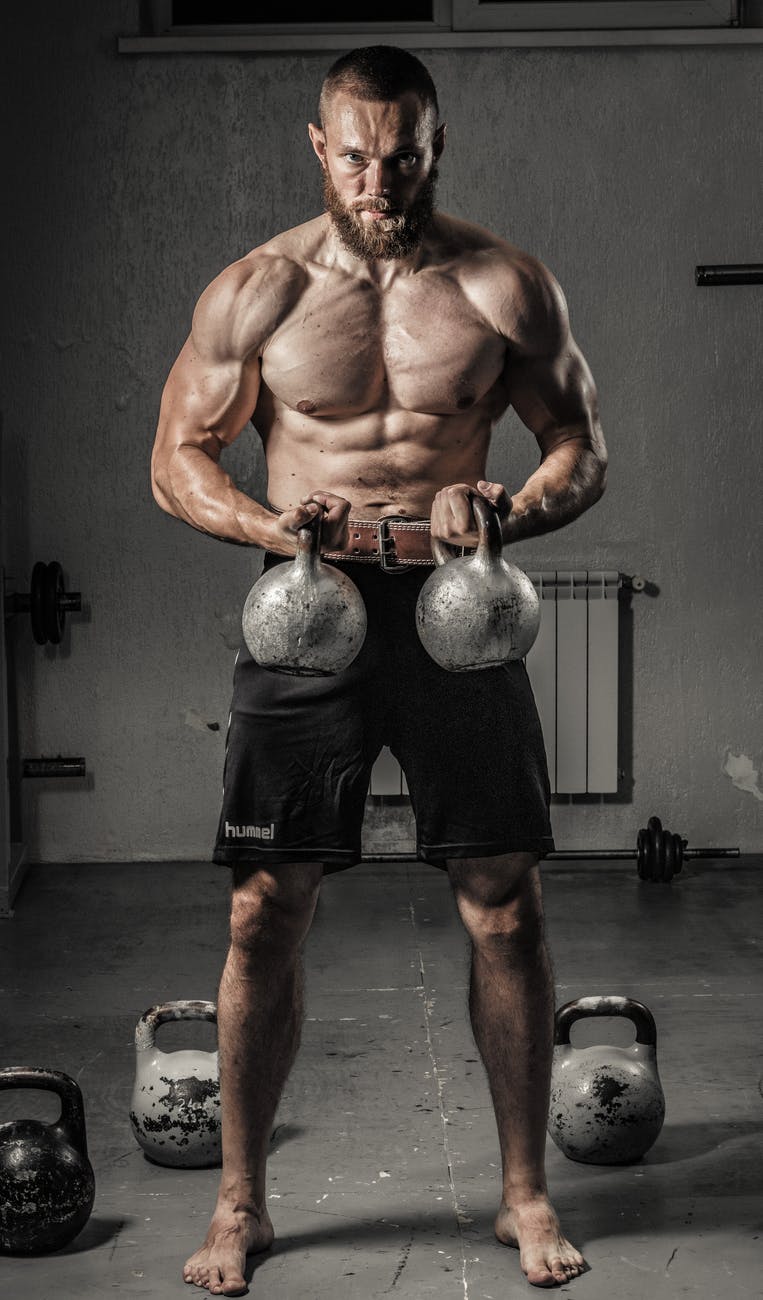
What is Fascia and Why is it So Important?
We have all heard of muscles but what about the connective tissue lining that covers our muscles, organs, and body? Fascia.
Read the article
Migraines and Headaches
Headaches are a common problem. Migraines are among the worst headaches and can be difficult treat. Looking deeper is essential.
Read the article
The Barefoot Challenge: How to Have a Firm Foundation
Being barefoot is important. It helps to be natural and reconnect to the earth. It can also help issues like plantar fasciitis!
Read the article